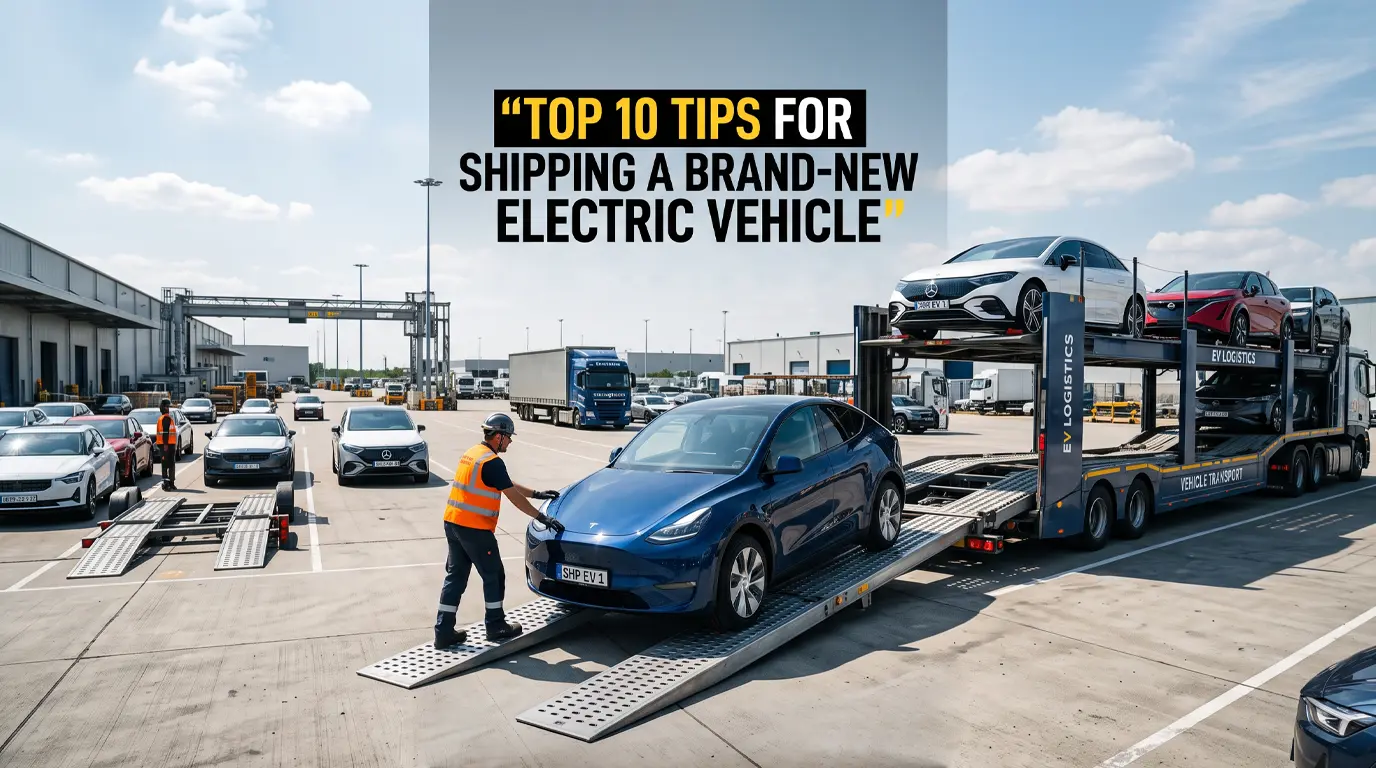
Top 10 Tips for Shipping a Brand-New Electric Vehicle
Purchasing a brand-new electric vehicle (EV) is an exciting milestone. Whether you've ordered a Tesla, Rivian, Lucid, Hyundai Ioniq 5, Ford Mustang Mach-E, or another electric model, ensuring it arrives safely at your destination is just as important as choosing the right vehicle. Unlike traditional gas-powered cars, EVs have unique features such as high-voltage battery systems, regenerative braking, and specialized charging components that require extra care during transport.
Whether you're moving across the country, buying an EV from a dealership in another state, or relocating for work, following these best practices can help ensure a smooth, damage-free shipping experience.
1. Choose an Experienced Electric Vehicle Transport Company
Not every auto transport company has experience handling electric vehicles. EVs are often heavier than gasoline-powered vehicles due to their battery packs, which requires proper loading techniques and equipment.
When comparing transport providers, look for companies that:
- Have experience shipping electric vehicles
- Use modern transport equipment
- Carry sufficient cargo insurance
- Offer real-time shipment tracking
- Have positive customer reviews
Working with an experienced carrier reduces the risk of handling errors and transportation delays.
2. Decide Between Open and Enclosed Transport
The transport method you choose significantly impacts your vehicle's level of protection.
Open Auto Transport
Open auto transport is the most affordable and widely available option. Your EV is securely loaded onto an open carrier along with several other vehicles. While exposed to weather and road debris, modern auto carriers are designed to transport vehicles safely across long distances.
Best for:
- Daily-driver EVs
- Budget-conscious customers
- Standard deliveries
Enclosed Auto Transport
Enclosed auto transport provides maximum protection by shielding your vehicle from weather, dust, road debris, and potential damage.
Recommended for:
- Luxury electric vehicles
- Limited-production EVs
- Collector models
- High-value new purchases
3. Keep the Battery Charged Between 30% and 60%
One common misconception is that your EV should be fully charged before shipping.
In reality, most manufacturers recommend leaving the battery at approximately 30% to 60% charge. This level provides enough power for loading and unloading while reducing unnecessary stress on the battery during transport.
Avoid shipping your EV with:
- A completely depleted battery
- A battery charged to 100%
Moderate charge levels are considered the safest option.
4. Remove Personal Belongings
Most auto transport companies prohibit personal items inside the vehicle during shipment.
Extra belongings can:
- Increase vehicle weight
- Shift during transport
- Cause interior damage
- Create insurance complications
Before shipping, remove:
- Electronics
- Luggage
- Chargers not permanently installed
- Documents
- Valuables
- Accessories
Keeping the interior empty makes the shipping process safer and more efficient.
5. Inspect the Vehicle Thoroughly Before Pickup
Perform a complete inspection before handing your EV over to the carrier.
Take clear, high-resolution photos of:
- Front bumper
- Rear bumper
- Roof
- Hood
- Doors
- Wheels
- Mirrors
- Windshield
- Interior
Record any existing scratches, dents, paint chips, or imperfections.
These photos become valuable documentation if you ever need to file a damage claim.
6. Disable Security Features if Necessary
Modern electric vehicles often include advanced security systems such as:
- Sentry Mode
- Motion detection
- Smart alarms
- GPS tracking
- Automatic locking
Some of these features may activate while the vehicle is on the carrier, potentially draining the battery or causing unnecessary alerts.
Ask your transport company whether any features should be temporarily disabled before pickup.
7. Fold Mirrors and Secure Loose Components
Protect external parts by preparing your vehicle before transport.
Secure or fold:
- Side mirrors (if possible)
- Retractable antennas
- Roof accessories
- Bike racks
- Cargo boxes
Removing detachable accessories minimizes the risk of damage during loading and transit.
8. Verify Insurance Coverage
Before booking your shipment, ask for proof of cargo insurance.
Understand:
- Coverage limits
- Deductibles
- Claim procedures
- Exclusions
If your new electric vehicle has a particularly high value, consider purchasing supplemental transport insurance for additional peace of mind.
Never assume every type of damage is automatically covered.
9. Schedule Your Shipment Early
Electric vehicle shipments can require specialized carriers, especially if you request enclosed transport.
Booking several weeks in advance provides benefits such as:
- Better pricing
- More carrier availability
- Flexible pickup dates
- Faster scheduling
Last-minute bookings often result in higher costs and fewer transport options.
10. Inspect Your EV Immediately Upon Delivery
Once your vehicle arrives, carefully inspect it before signing the delivery paperwork.
Check:
- Paint condition
- Glass
- Wheels
- Tires
- Charging port
- Mirrors
- Body panels
- Interior
- Battery charge level
Compare the vehicle with the photos you took before shipment.
If you notice any damage:
- Document it immediately
- Photograph the issue
- Notify the driver
- Record it on the Bill of Lading
- Contact the transport company promptly
Prompt reporting makes resolving claims much easier.
Additional Tips for First-Time EV Owners
If this is your first electric vehicle shipment, keep these additional recommendations in mind:
- Leave only one key with the transport company.
- Keep your charging cable with you unless instructed otherwise.
- Verify your pickup and delivery addresses in advance.
- Remove toll tags if possible to avoid accidental charges.
- Disable automatic charging schedules before shipment.
- Make sure your tires are properly inflated.
- Confirm that your vehicle is operational unless you've booked non-running vehicle transport.
Common Mistakes to Avoid
Avoid these common shipping mistakes:
- Waiting until the last minute to book transport
- Choosing a carrier based solely on the lowest price
- Forgetting to document the vehicle's condition
- Leaving expensive personal belongings inside
- Shipping with an extremely low or completely full battery
- Failing to verify insurance coverage
- Skipping the final delivery inspection
Taking a little extra time before shipment can help prevent costly issues later.