Cross-country car transport is a service designed to move your vehicle easily from one location to another
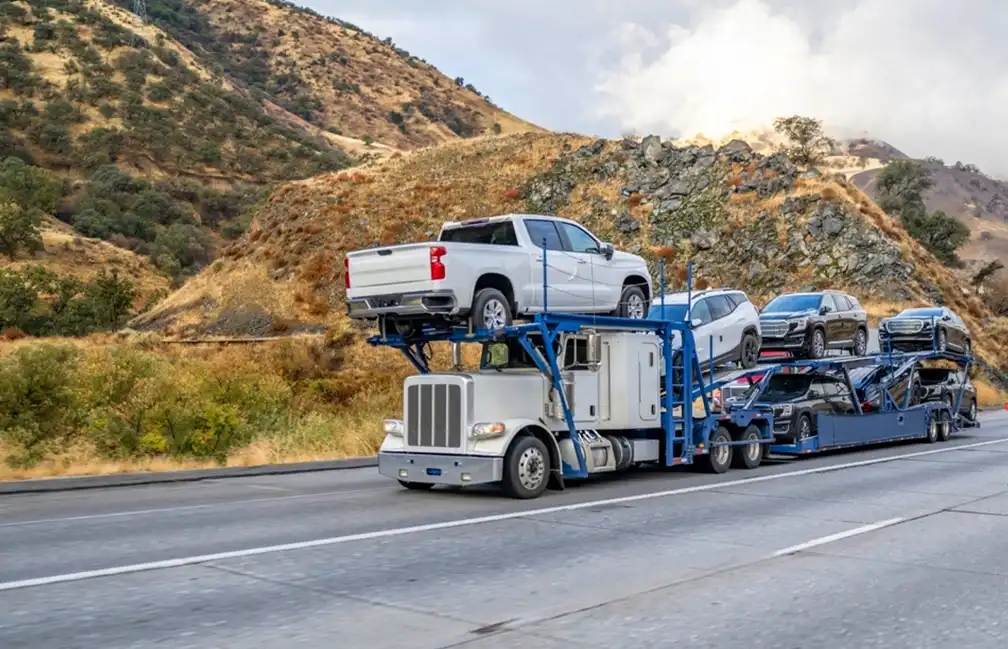
Cross-country car transport is a service designed to move your vehicle easily from one location to another—whether that’s city to city, state to state, or coast to coast. Your car is picked up, securely loaded onto a transport trailer, and delivered to your chosen destination by an experienced carrier, allowing you to ship your vehicle without any effort or stress on your part.
Best value for standard vehicles
More carriers available nationwide
Professional and insured drivers

Enter pickup and delivery details
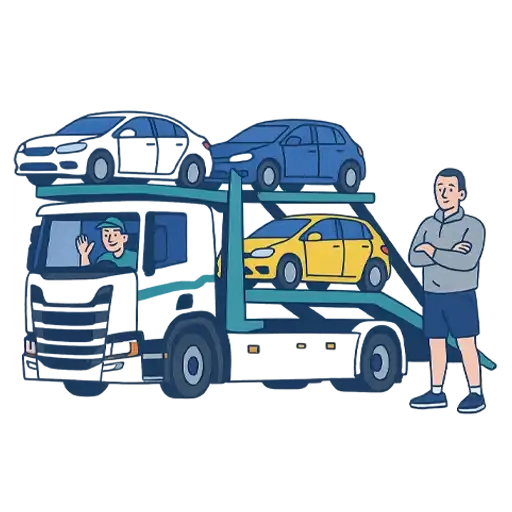
We find best driver at best price
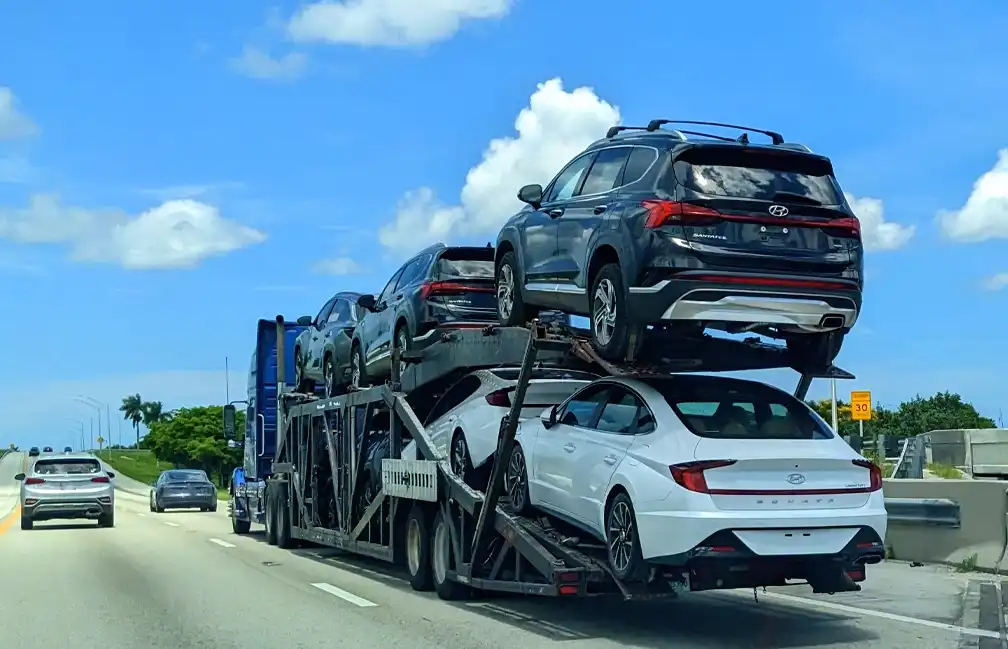
Safe and on-time delivery
You'll have a single dedicated account manager throughout the entire process.
Speak directly with a real person for any questions you may have.
Clear updates throughout the process, so there's no uncertainty.
Stay updated with real-time tracking so you know your car's location.
Yes, cross-country car shipping is typically offered as a door-to-door service, as long as the pickup and delivery locations are accessible. For customers who prefer or require it, terminal-to-terminal shipping is also available.
If a location is unsafe or difficult for a carrier to access, an alternative pickup or delivery point will be arranged. In such cases, the driver will choose a location as close to your home as possible to ensure a smooth and convenient experience.
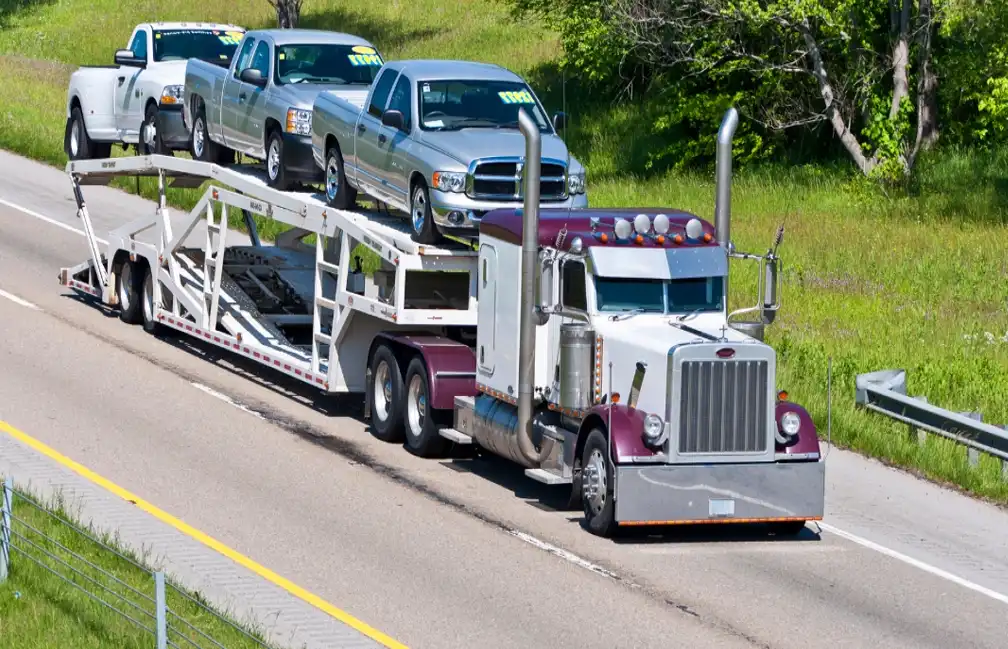
Because vehicles come in many shapes and sizes, the cost of shipping a car across the country can vary. Several key factors directly affect the final price, including:
Make and model: Smaller vehicles generally cost less to ship than larger ones.
Distance traveled: Shorter routes are more affordable than long, cross-country shipments.
Delivery timeframe: Expedited cross-country transport services typically cost more.
Transport type: Open auto transport is the most economical option for standard vehicles. For classic, vintage, luxury, antique, high-value, or modified cars, enclosed transport offers added protection at a slightly higher cost.S
Vehicle condition: Operable vehicles are less expensive to ship. Inoperable vehicles require special loading equipment, which increases the cost. Rare or specialty vehicles may also cost more than common models.
Pickup and delivery locations: Shipping between major cities is usually cheaper, while rural or remote locations may increase the price.
Time of year: Summer is generally the most affordable season for cross-country car shipping, while winter rates may rise due to challenging road conditions.
While this list doesn’t cover every scenario, it provides a solid overview of the factors that influence cross-country car shipping costs.
The average per-mile rates listed above are based on current market conditions as of 2026. Pricing may fluctuate due to factors such as seasonal demand, fuel costs, pickup and delivery locations, and other variables.
There isn’t a one-size-fits-all answer, as several things can affect how long cross-country car shipping takes. Distance is the biggest factor—moving a vehicle across multiple states will naturally take longer than a shorter regional route.
Where your car is picked up and delivered also matters. Vehicles going to or from rural or hard-to-reach areas may take a bit longer compared to shipments between major cities.
Transit time can also be influenced by how many stops the driver makes along the way, as well as real-world conditions like traffic, roadwork, detours, or bad weather.
Another important consideration is driver safety regulations. Federal rules limit how many hours truck drivers can be on the road each week to ensure they stay rested and alert. While this keeps everyone safer, it can also affect overall delivery timelines.
The average transit times listed above may vary due to weather, road conditions, traffic, and other factors.
Delivery typically takes 3–7 days depending on distance, route, and carrier availability.
Yes, all shipments are fully insured by licensed carriers for complete peace of mind.
Open transport is cost-effective and commonly used, while enclosed transport provides extra protection for luxury or classic vehicles.
Yes, non-operational vehicles can be shipped with special equipment, but additional charges may apply.
