
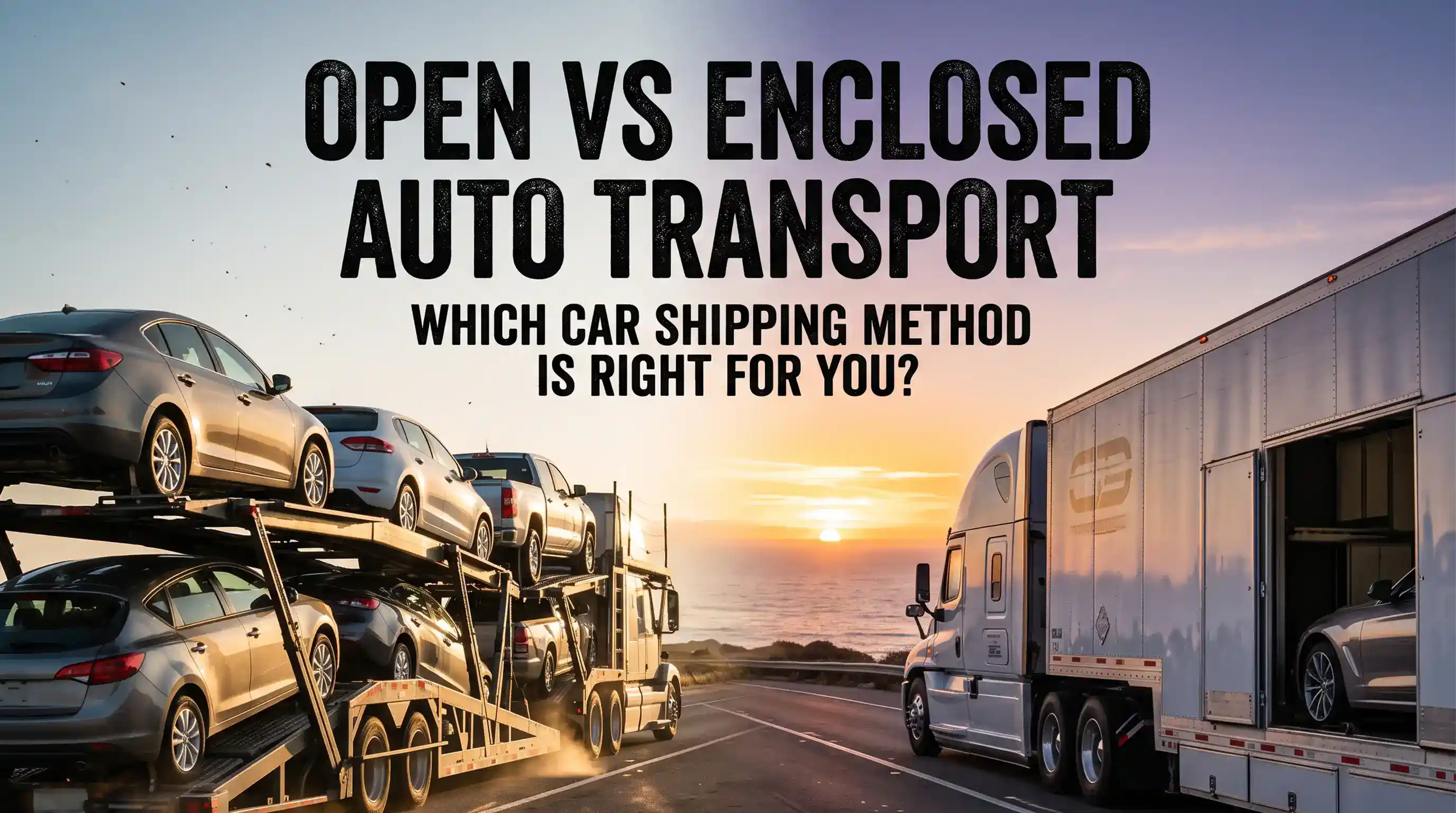
Open vs Enclosed Auto Transport
When shipping a vehicle across the country or to another state, one of the first decisions you'll make is whether to choose open auto transport or enclosed auto transport. Both methods are safe and widely used, but they serve different needs depending on your vehicle, budget, and level of protection required.
This guide compares open vs enclosed auto transport, explains the differences, costs, advantages, and disadvantages, and helps you determine which option is best for your situation.
What Is Open Auto Transport?
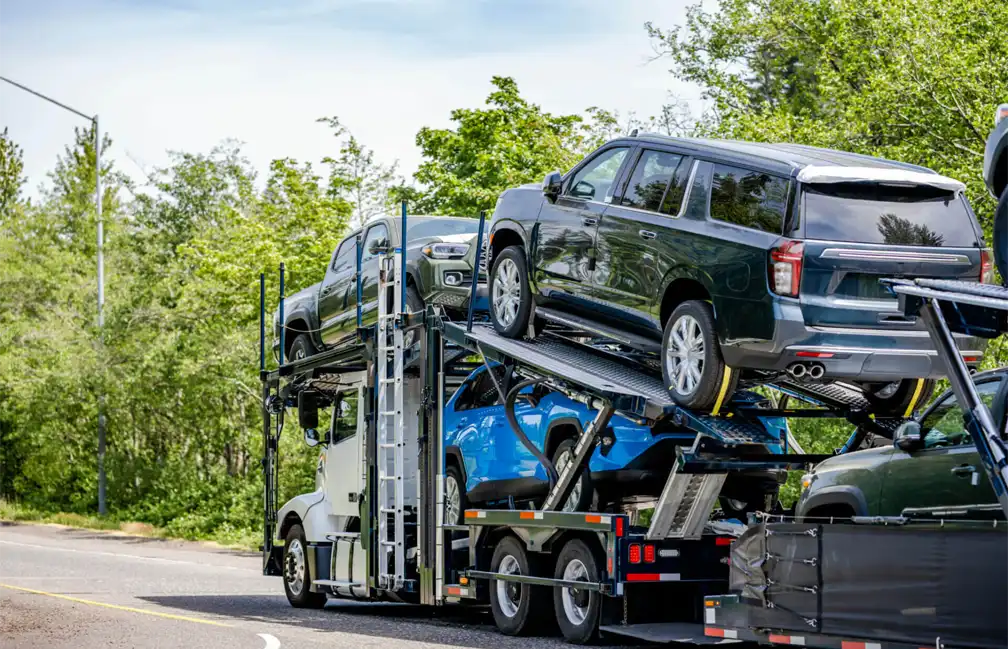
Open auto transport is the most common and affordable vehicle shipping method. Cars are transported on an open trailer that typically carries 7 to 10 vehicles at once.
Since the trailer is open, vehicles are exposed to weather, road dust, and debris during transport. However, this is the same method used by dealerships and manufacturers to deliver new vehicles nationwide.
Benefits of Open Auto Transport
- Most affordable shipping option
- Faster pickup and delivery times
- More carrier availability
- Ideal for standard vehicles
- Safe and reliable for daily-use cars
Best For
- Sedans
- SUVs
- Pickup trucks
- Family vehicles
- Used cars
- Everyday transportation
What Is Enclosed Auto Transport?
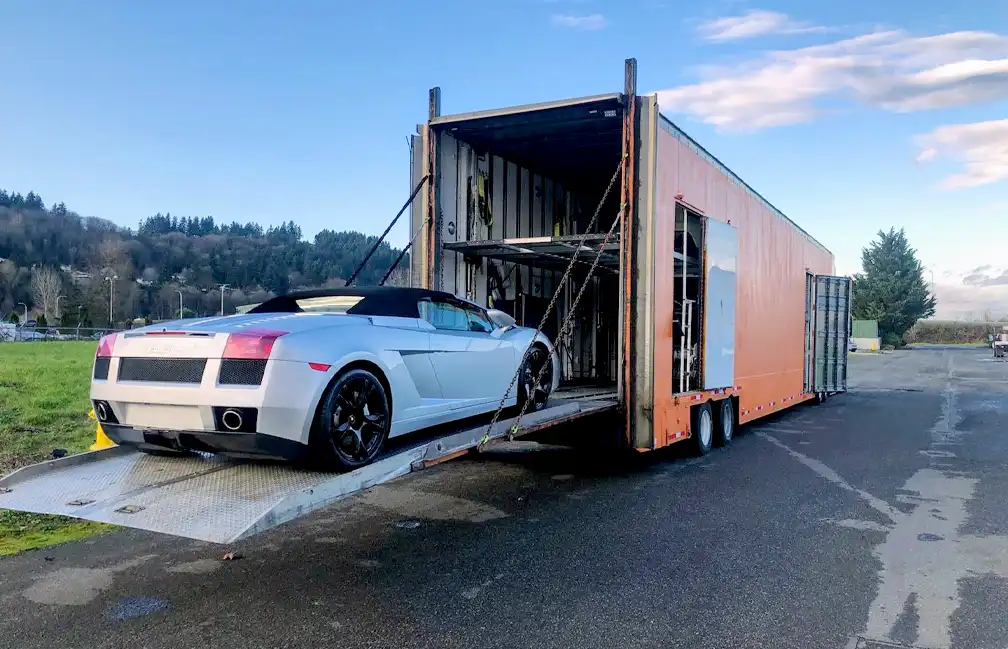
Enclosed auto transport uses fully enclosed trailers that protect vehicles from weather, dirt, road debris, and other external elements throughout the journey.
Because enclosed trailers carry fewer vehicles, they offer additional protection and personalized handling.
Benefits of Enclosed Auto Transport
- Maximum vehicle protection
- Protection from rain, snow, hail, and UV rays
- Ideal for luxury and collector vehicles
- Reduced exposure to road debris
- Greater privacy during transportation
Best For
- Luxury vehicles
- Classic cars
- Antique automobiles
- Sports cars
- Exotic vehicles
- High-value vehicles
- Show cars
Open vs Enclosed Auto Transport Comparison
| Feature | Open Transport | Enclosed Transport |
|---|---|---|
| Cost | Lower | Higher |
| Protection | Good | Excellent |
| Weather Protection | No | Yes |
| Availability | High | Moderate |
| Delivery Time | Faster | May take longer |
| Best For | Everyday vehicles | Luxury and classic cars |
Cost Comparison
One of the biggest differences between open and enclosed transport is pricing.
Average Open Auto Transport Cost
- 500 miles: $500–$800
- 1,000 miles: $700–$1,100
- 2,000+ miles: $1,100–$1,600
Average Enclosed Auto Transport Cost
- 500 miles: $800–$1,200
- 1,000 miles: $1,200–$1,700
- 2,000+ miles: $1,800–$2,700
Enclosed shipping generally costs 30% to 60% more because of increased protection and limited trailer capacity.
Which Option Is Safer?
Both shipping methods are considered very safe.
Professional carriers are licensed, insured, and trained to transport vehicles securely.
However, enclosed transport offers an extra layer of protection against:
- Rain
- Snow
- Hail
- Sun damage
- Dust
- Flying rocks
- Road debris
If your vehicle is valuable or irreplaceable, enclosed transport provides greater peace of mind.
Advantages of Open Auto Transport
Lower Shipping Costs
Open carriers transport multiple vehicles simultaneously, reducing shipping expenses.
More Available Carriers
Since most transport companies operate open trailers, scheduling is typically faster.
Faster Delivery
Greater carrier availability often results in shorter waiting periods.
Ideal for Most Vehicles
For everyday vehicles, open transport offers an excellent balance between cost and reliability.
Advantages of Enclosed Auto Transport
Premium Protection
Vehicles remain protected throughout transit.
Better for Expensive Cars
Luxury, exotic, and collector cars benefit from enclosed trailers.
Cleaner Delivery
Vehicles arrive with minimal dust and dirt accumulation.
Enhanced Security
Enclosed trailers reduce visibility, offering additional privacy.