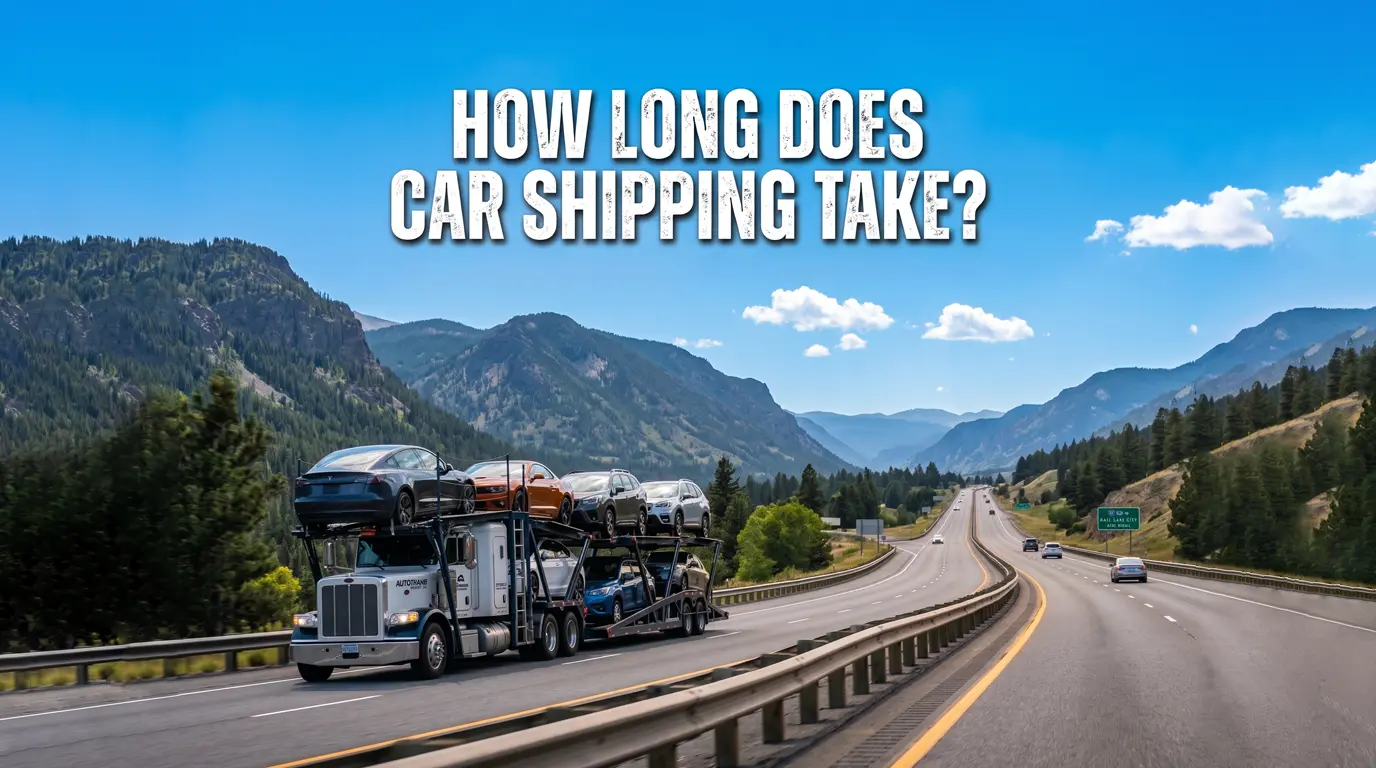
How Long Does Car Shipping Take?
If you're planning to ship your vehicle, one of the first questions you'll likely ask is, "How long does car shipping take?" While every shipment is unique, most vehicles are delivered within 3 to 10 days after pickup, depending on the distance, route, weather, and carrier schedule.
Whether you're relocating, buying a car online, moving for work, or transporting a vehicle to another state, understanding the shipping timeline can help you plan with confidence.
At Auto Shippings, we work with licensed and insured carriers across the United States to provide reliable, on-time vehicle transportation with transparent communication throughout the process.
Average Car Shipping Time by Distance
The distance between the pickup and delivery locations is the biggest factor affecting delivery time.
| Distance | Estimated Transit Time |
|---|---|
| 0–500 Miles | 1–2 Days |
| 500–1,000 Miles | 2–4 Days |
| 1,000–1,500 Miles | 3–5 Days |
| 1,500–2,000 Miles | 4–6 Days |
| 2,000–2,500 Miles | 5–8 Days |
| 2,500+ Miles | 7–10 Days |
These estimates refer to transit time after your vehicle has been picked up.
How Long Does Pickup Take?
Before your vehicle begins its journey, a carrier must be assigned and scheduled for pickup.
Typical pickup times are:
- Standard Shipping: 1–5 business days
- Expedited Shipping: 24–48 hours (subject to availability)
- Rural Areas: 3–7 business days
Booking your shipment at least one to two weeks in advance often results in faster scheduling and better pricing.
Factors That Affect Car Shipping Time
1. Shipping Distance
Longer routes naturally require more travel time. However, carriers covering long-distance interstate routes often travel efficiently using major highways.
2. Pickup and Delivery Location
Shipping between large metropolitan areas is generally faster because carriers frequently operate these routes.
Deliveries to remote or rural locations may require additional travel time.
3. Weather Conditions
Severe weather can impact transportation schedules.
Common delays include:
- Snowstorms
- Heavy rain
- Hurricanes
- Flooding
- High winds
- Wildfires
Professional carriers always prioritize safety over speed.
4. Traffic Conditions
Traffic congestion near major cities can occasionally delay pickup or delivery, particularly during holidays and peak travel seasons.
5. Seasonal Demand
Auto transport demand fluctuates throughout the year.
Peak seasons include:
- Summer moving season
- Snowbird migration (fall and spring)
- Year-end holidays
During busy periods, booking early is recommended.
6. Transport Type
Open Auto Transport
Open auto transport is the most common shipping method and generally offers faster scheduling due to greater carrier availability.
Enclosed Auto Transport
Enclosed auto transport provides additional protection but may require more scheduling flexibility because fewer enclosed trailers operate nationwide.
7. Carrier Schedule
Carriers often transport multiple vehicles on one trip.
Pickup and delivery schedules are carefully planned to maximize efficiency while ensuring safe transportation for every customer.
Typical Cross-Country Shipping Times
Here are a few examples of common shipping routes.
| Route | Estimated Delivery Time |
|---|---|
| California to Texas | 3–5 Days |
| Florida to New York | 3–5 Days |
| California to Florida | 7–10 Days |
| Washington to Georgiay | 6–9 Days |
| Arizona to Illinois | 4–6 Days |
Actual delivery times vary depending on weather, traffic, and carrier availability.
Can Car Shipping Be Expedited?
Yes, If you need your vehicle transported quickly, many carriers offer expedited shipping services.
Benefits include:
- • Faster carrier assignment
- • Priority pickup
- • Flexible scheduling
- • Reduced waiting time
Expedited shipping generally costs more than standard service but is ideal for urgent moves or time-sensitive deliveries.
How to Speed Up the Shipping Process
You can help ensure faster transportation by following these tips:
Book Early
Reserve your shipment at least one to two weeks before your preferred pickup date.
Be Flexible
Allowing a flexible pickup window gives carriers more scheduling options.
Choose Open Transport
Open carriers are more widely available, often resulting in quicker pickup.
Meet Near Major Roads
If possible, choose pickup and delivery locations with easy access for large transport trucks.
Prepare Your Vehicle
Have your vehicle ready before the scheduled pickup date to avoid unnecessary delays.
What Happens on Pickup Day?
When the carrier arrives:
- 1. The driver inspects your vehicle.
- 2. Existing damage is documented on the Bill of Lading.
- 3. Your vehicle is securely loaded onto the trailer.
- 4. Transit begins according to the planned route.
Keeping your phone available during pickup helps ensure a smooth process.
What Happens During Transit?
During transportation:
- Your vehicle remains securely fastened to the carrier.
- Drivers follow federal safety regulations regarding driving hours and inspections.
- Carriers may stop to pick up or deliver additional vehicles along the route.
- Weather and road conditions are monitored to ensure safe travel.
What Happens at Delivery?
Upon arrival:
- Inspect your vehicle with the driver.
- Compare its condition to the original inspection report.
- Sign the delivery paperwork once satisfied.
This process typically takes only a few minutes.
Tips for a Smooth Car Shipping Experience
Before shipping your vehicle:
- Wash the vehicle for a clear inspection.
- Remove all personal belongings.
- Leave approximately one-quarter tank of fuel.
- Disable alarms.
- Check tire pressure.
- Remove toll tags and parking passes.
- Keep a spare key available for the driver.